
Oregon
Oregon Sen. Ron Wyden reacts to upcoming congressional vote, vows to “fight like Hell” against renewing Section 702 of FISA without major reforms
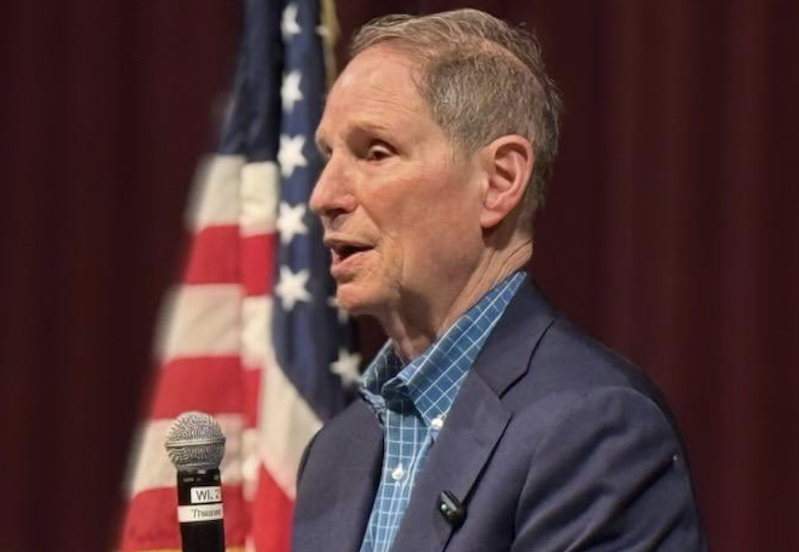
Oregon – Sen. Ron Wyden is ramping up his opposition to the renewal of a controversial federal surveillance program, warning that Congress is preparing to vote on authorities he says could allow government officials to access Americans’ communications without sufficient safeguards.
“The Senate is set to vote on renewing Trump’s spying powers this week,” Wyden wrote in a June 9 post on X. “If Section 702 of FISA is renewed, people like Bill Pulte, Todd Blanche, and Kash Patel will be able to invade any American’s privacy. I’m going to fight like Hell to make sure that doesn’t happen.”
Wyden’s comments come as Congress faces a rapidly approaching June 12 deadline for Section 702 of the Foreign Intelligence Surveillance Act (FISA), a key surveillance authority used by U.S. intelligence agencies to collect communications involving foreign targets located outside the United States. While the law is intended to focus on foreign intelligence gathering, communications involving Americans can be collected incidentally and later searched by federal agencies without a traditional warrant, a practice that has drawn criticism from privacy advocates and lawmakers from both parties.
The Oregon Democrat has been one of the Senate’s most vocal critics of the program and has repeatedly called for major reforms before any long-term renewal is approved. In recent social media posts, Wyden celebrated a procedural Senate vote that blocked a measure to extend Section 702 without significant changes.
“Early Friday morning, we successfully defeated a bill in the Senate to rubber-stamp the Trump administration’s authority to spy on Americans without a warrant,” Wyden wrote. “This is a big win on privacy.”
The vote represented a significant setback for supporters of a clean reauthorization. The Senate voted 52-47 against advancing debate on a long-term extension, with seven Republicans joining nearly all Democrats in opposition. Without further congressional action, Section 702 is scheduled to expire on June 12.
Wyden argued that growing bipartisan opposition demonstrates increasing concern over the surveillance authority.
“We have never seen a coalition like the one that stood up against the plan to rubber-stamp this spying authority,” he wrote. “Elected officials from both sides of the aisle are waking up to the fact that no president should have this power.”
Supporters of Section 702, including many intelligence and national security officials, contend that the program is one of the government’s most important tools for identifying foreign threats, tracking terrorist activity, combating cyberattacks, and gathering intelligence on adversarial nations. They argue that allowing the authority to lapse could create intelligence gaps and weaken national security capabilities.
Critics, however, maintain that the program has repeatedly swept up Americans’ communications and allowed warrantless searches of those records. Wyden has cited reports and court findings that he says demonstrate ongoing compliance problems and abuses within the surveillance system. He has argued that any reauthorization should include stronger warrant requirements and additional protections for Americans’ privacy.
The debate has intensified in recent weeks amid political controversy surrounding President Donald Trump’s selection of housing official Bill Pulte to serve as acting Director of National Intelligence. Some lawmakers have expressed concerns about granting broad surveillance powers while leadership changes are taking place within the intelligence community.
Despite the procedural defeat, the fight over Section 702 is far from over. Congressional leaders continue to explore options ranging from a short-term extension to a revised reauthorization package that could include reforms sought by privacy advocates. Even if the authority formally expires, some intelligence collection conducted under existing certifications may continue for a period of time.
Wyden has pledged to continue opposing any effort to renew the surveillance authority without substantial changes.
“I’ll be fighting like hell between now and June 12 to ensure Congress doesn’t cave and renew Section 702 of FISA without real reforms,” he wrote. “Security and liberty aren’t mutually exclusive.”
As lawmakers race toward the deadline, the future of one of the nation’s most powerful surveillance tools remains uncertain, with privacy concerns and national security arguments colliding in what has become one of Congress’s most closely watched debates.


Oregon gubernatorial candidate Drazan accuses Gov. Kotek of making homelessness “chronic and permanent” as governor says crisis “wasn’t created overnight and won’t be solved overnight”
Oregon – “Homelessness must be rare and temporary but under Tina Kotek’s failed leadership it’s chronic and permanent.” Oregon Republican...


Oregon Sen. Merkley says getting anything done in the Senate is like “wading through tar” as he joins Montana Republican Sen. Daines in proposing sweeping rules overhaul
Oregon – “Trying to get anything done in the Senate feels like wading through tar.” Oregon Sen. Jeff Merkley made...

Oregon Sen. Wyden takes aim at President Trump over diesel deal, says “he’s rewarding Putin with a windfall agreement that won’t even lower prices”
Oregon – Oregon Sen. Ron Wyden criticized President Donald Trump’s agreement with Russian President Vladimir Putin to supply diesel to...


Large fire involving palletized wood shavings breaks out at Coastal Farm & Ranch in Eugene, prompting early morning response from ESF
Eugene, OR – Eugene Springfield Fire (ESF) crews responded to a reported structure fire at Coastal Farm & Ranch in...


ESF crews work overnight to contain mill fire on Milliron Road as scene expected to remain active for days
Eugene, OR – Eugene Springfield Fire (ESF) crews worked overnight and into the morning as part of a countywide mutual...


Eugene woman arrested for DUII after allegedly speeding, swerving and refusing to exit vehicle, police say her blood alcohol level was .25%
Eugene, OR – The Eugene Police Department arrested a 33-year-old woman after an officer reportedly witnessed her speeding and swerving...

Oregon Sen. Jeff Merkley speaks out after Democrats block Republican stock trading bill, says ‘the bill Republicans are pushing is a sham’
Oregon – Sen. Jeff Merkley is calling for a complete ban on stock trading by members of Congress after the...


Senate candidate Drazan takes aim at Democrat opponent, says Gov. Kotek should ‘spend less time obsessing over Trump’ and more time fixing Oregon after heated debate
Oregon – Oregon state Sen. Christine Drazan is escalating her criticism of Gov. Tina Kotek, saying the Democratic governor should...

Elderly woman arrested for DUII after rear-ending vehicle, nearly crashing into victim again with little child in car before refusing to take a breath test
Eugene, OR – A 61-year-old Eugene grandmother was arrested for DUII Thursday evening after a crash and after police said...

Eugene man arrested after allegedly pistol-whipping unhoused man in the head, attacking another victim and leaving firearm in dumpster downtown
Eugene, OR – Eugene police arrested a 22-year-old man after he reportedly pistol-whipped an unhoused community member and was involved...
22-year-old woman arrested for DUII after driving over sidewalk, handing officer credit card instead of license and refusing to get into patrol car
Eugene, OR – A 22-year-old Eugene woman was arrested for DUII early Saturday morning after an officer reported seeing her...
-
Eugene5 days ago
Oregon gubernatorial candidate Drazan accuses Gov. Kotek of making homelessness “chronic and permanent” as governor says crisis “wasn’t created overnight and won’t be solved overnight”
-
Eugene5 days ago
Oregon Sen. Merkley says getting anything done in the Senate is like “wading through tar” as he joins Montana Republican Sen. Daines in proposing sweeping rules overhaul
-
Eugene5 days ago
Large fire involving palletized wood shavings breaks out at Coastal Farm & Ranch in Eugene, prompting early morning response from ESF
-
Eugene5 days ago
Eugene woman arrested for DUII after allegedly speeding, swerving and refusing to exit vehicle, police say her blood alcohol level was .25%
-
Eugene5 days ago
ESF crews work overnight to contain mill fire on Milliron Road as scene expected to remain active for days
-
Eugene5 days ago
Oregon Sen. Wyden takes aim at President Trump over diesel deal, says “he’s rewarding Putin with a windfall agreement that won’t even lower prices”