
Oregon
Oregon Sen. Wyden introduces new bill to block Trump immunity deal, calls agreement a “sweetheart deal” and says Congress must stop special protection
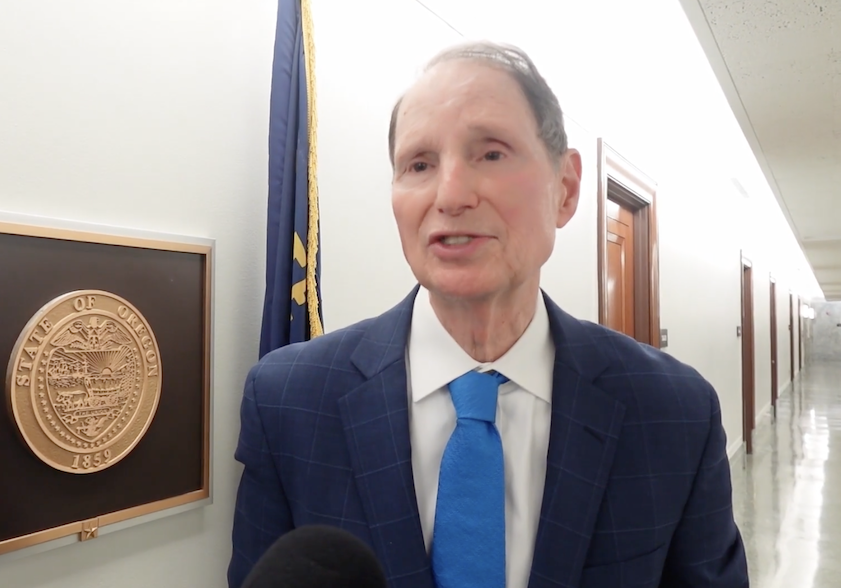
Oregon – Oregon Sen. Ron Wyden and House Ways and Means Committee Ranking Member Richard Neal introduced legislation Thursday aimed at permanently blocking an agreement that provides tax-audit protections to President Donald Trump, his family, businesses and associates.
Wyden’s push came as questions surrounding the agreement remained a point of contention in the Senate following negotiations over Todd Blanche’s nomination as attorney general. Wyden argued that congressional legislation, rather than assurances from the administration, was necessary to prevent the arrangement from being restored or expanded.
“Legislation is the most enforceable check Congress has on the Executive Branch, and that’s what this moment demands,” Wyden and Neal said in a joint statement.
The legislation was introduced Aug. 6, according to the Senate Finance Committee. The lawmakers said the measure would rescind what they described as unprecedented audit immunity granted to Trump, his family, businesses and associates as part of the administration’s settlement of Trump v. IRS.
The proposal followed a Democratic effort in the Senate Finance Committee to permanently block the audit protections. The committee’s Democratic members supported Wyden’s effort during a markup the previous week, while the newly introduced legislation was presented as a more permanent congressional restriction on the agreement.
Wyden has also criticized the administration’s assurances concerning the agreement during the debate over Blanche’s nomination. In remarks from an interview, Wyden said he viewed Congress as a potential firewall against the arrangement and argued that the issue should not be left solely to the executive branch.
He characterized the agreement as a “brazen special interest sweetheart deal” and said he intended to continue pursuing the issue until the protections were removed.
The dispute centers on an agreement reached as part of a settlement stemming from Trump’s lawsuit against the Internal Revenue Service and Treasury Department. Trump, his sons and the Trump Organization had sued the government over the disclosure of tax information. The resulting settlement included provisions concerning IRS audits of Trump and related parties.
The audit protections have drawn criticism from Democrats and outside groups, who argue that the executive branch should not be able to provide special treatment to a president or his family that would not be available to other taxpayers.
The controversy intensified during Blanche’s confirmation process. Blanche, who had served as Trump’s personal attorney before joining the administration, reached an agreement with Republican senators that addressed concerns surrounding both the tax-audit protections and a separate $1.8 billion fund.
According to The Associated Press, Blanche maintained the audit-immunity agreement while narrowing its application to retroactive matters involving Trump and his immediate family. The protections do not apply to future tax filings.
Reuters also reported that Blanche’s agreement with Republican senators helped clear a major hurdle for his confirmation. The changes included limiting the audit protections to past returns involving Trump and his immediate family.
Wyden and Neal argued that those assurances do not provide the kind of permanent protection they believe Congress should establish through legislation.
“A handshake and a wink from the engineers of this deal is not sufficient to ensure a resurrection of the deal once he secures the top job,” the lawmakers said.
They argued that legislation would create an enforceable restriction rather than relying on administrative promises.
“No president gets to put himself above the law,” Wyden and Neal said, adding that Congress has both the authority and responsibility to serve as a check on executive power.
The proposal now faces the broader challenge of advancing through a Congress where Republicans control the Senate. For the legislation to become law, it would need to move through both chambers and receive presidential approval or otherwise overcome a veto.
The debate is therefore likely to continue as lawmakers examine the scope of the tax settlement and the administration’s authority to provide audit protections.
For Wyden, the legislation represents an effort to move the dispute beyond negotiations and assurances and establish a statutory barrier against the audit protections. He and Neal said they expect bipartisan support for permanently preventing the special treatment.
The latest legislation adds another congressional front to the broader controversy surrounding the Trump-IRS settlement, as Democrats continue pressing for an end to the audit protections and Republicans weigh the administration’s assurances concerning their scope.

Oregon gubernatorial candidate Drazan accuses Gov. Kotek of making homelessness “chronic and permanent” as governor says crisis “wasn’t created overnight and won’t be solved overnight”
Oregon – “Homelessness must be rare and temporary but under Tina Kotek’s failed leadership it’s chronic and permanent.” Oregon Republican...

Oregon Sen. Merkley says getting anything done in the Senate is like “wading through tar” as he joins Montana Republican Sen. Daines in proposing sweeping rules overhaul
Oregon – “Trying to get anything done in the Senate feels like wading through tar.” Oregon Sen. Jeff Merkley made...

Oregon Sen. Wyden takes aim at President Trump over diesel deal, says “he’s rewarding Putin with a windfall agreement that won’t even lower prices”
Oregon – Oregon Sen. Ron Wyden criticized President Donald Trump’s agreement with Russian President Vladimir Putin to supply diesel to...


Large fire involving palletized wood shavings breaks out at Coastal Farm & Ranch in Eugene, prompting early morning response from ESF
Eugene, OR – Eugene Springfield Fire (ESF) crews responded to a reported structure fire at Coastal Farm & Ranch in...


ESF crews work overnight to contain mill fire on Milliron Road as scene expected to remain active for days
Eugene, OR – Eugene Springfield Fire (ESF) crews worked overnight and into the morning as part of a countywide mutual...


Eugene woman arrested for DUII after allegedly speeding, swerving and refusing to exit vehicle, police say her blood alcohol level was .25%
Eugene, OR – The Eugene Police Department arrested a 33-year-old woman after an officer reportedly witnessed her speeding and swerving...
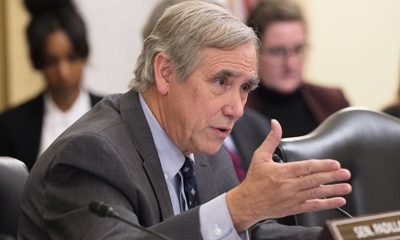

Oregon Sen. Jeff Merkley speaks out after Democrats block Republican stock trading bill, says ‘the bill Republicans are pushing is a sham’
Oregon – Sen. Jeff Merkley is calling for a complete ban on stock trading by members of Congress after the...
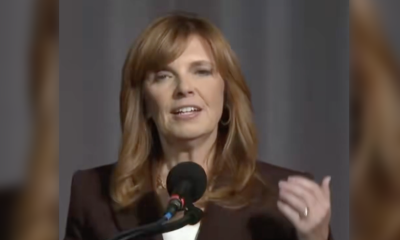

Senate candidate Drazan takes aim at Democrat opponent, says Gov. Kotek should ‘spend less time obsessing over Trump’ and more time fixing Oregon after heated debate
Oregon – Oregon state Sen. Christine Drazan is escalating her criticism of Gov. Tina Kotek, saying the Democratic governor should...

Elderly woman arrested for DUII after rear-ending vehicle, nearly crashing into victim again with little child in car before refusing to take a breath test
Eugene, OR – A 61-year-old Eugene grandmother was arrested for DUII Thursday evening after a crash and after police said...

Eugene man arrested after allegedly pistol-whipping unhoused man in the head, attacking another victim and leaving firearm in dumpster downtown
Eugene, OR – Eugene police arrested a 22-year-old man after he reportedly pistol-whipped an unhoused community member and was involved...
22-year-old woman arrested for DUII after driving over sidewalk, handing officer credit card instead of license and refusing to get into patrol car
Eugene, OR – A 22-year-old Eugene woman was arrested for DUII early Saturday morning after an officer reported seeing her...
-
Eugene5 days ago
Oregon gubernatorial candidate Drazan accuses Gov. Kotek of making homelessness “chronic and permanent” as governor says crisis “wasn’t created overnight and won’t be solved overnight”
-
Eugene5 days ago
Oregon Sen. Merkley says getting anything done in the Senate is like “wading through tar” as he joins Montana Republican Sen. Daines in proposing sweeping rules overhaul
-
Eugene5 days ago
Large fire involving palletized wood shavings breaks out at Coastal Farm & Ranch in Eugene, prompting early morning response from ESF
-
Eugene5 days ago
Eugene woman arrested for DUII after allegedly speeding, swerving and refusing to exit vehicle, police say her blood alcohol level was .25%
-
Eugene5 days ago
ESF crews work overnight to contain mill fire on Milliron Road as scene expected to remain active for days
-
Eugene5 days ago
Oregon Sen. Wyden takes aim at President Trump over diesel deal, says “he’s rewarding Putin with a windfall agreement that won’t even lower prices”