
Eugene
Oregon Sen. Wyden takes aim at President Trump over diesel deal, says “he’s rewarding Putin with a windfall agreement that won’t even lower prices”
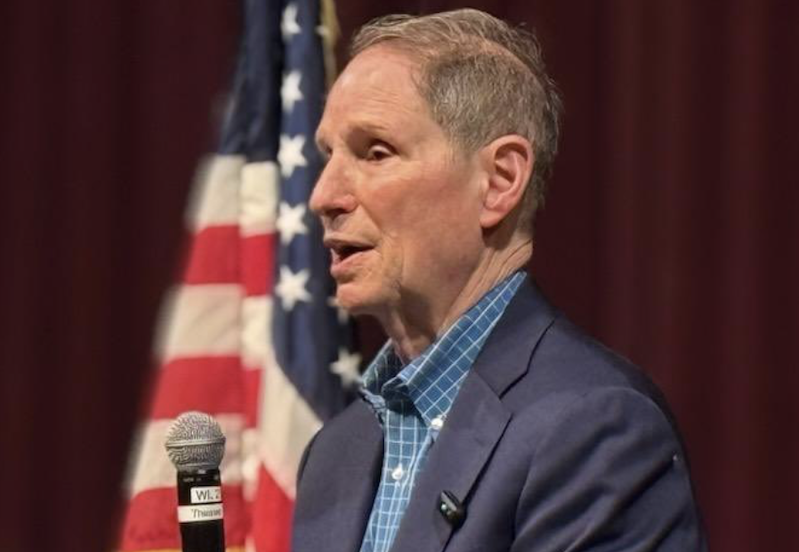
Oregon – Oregon Sen. Ron Wyden criticized President Donald Trump’s agreement with Russian President Vladimir Putin to supply diesel to U.S. and global markets, arguing that the administration’s war with Iran has driven up fuel prices and that the deal with Moscow will not provide the promised relief.
“So let me get this straight: Trump started a war with Iran that drove up diesel prices. NOW he’s rewarding Putin with a windfall agreement that won’t even lower prices,” Wyden said, reacting to a CNBC report about the agreement.
The Democratic senator’s criticism came after Trump announced that Russia would begin supplying diesel to international markets, including the United States, as his administration looks for ways to address a sharp increase in fuel costs.
According to the Washington Post, Trump said Russia would immediately supply more than 300,000 metric tons of diesel, with additional shipments planned for November and the following months. The announcement followed a phone conversation with Putin and represented a significant shift in U.S. policy toward Russian energy exports amid the ongoing war in Ukraine.
Trump said the additional supplies would help bring diesel prices down, particularly for American farmers, ranchers and truckers. However, the agreement drew criticism from lawmakers and Ukrainian officials who argued that easing restrictions on Russian fuel could provide Moscow with additional revenue while its war against Ukraine continues.

Photo Courtesy – Donald J. Trump (@realDonaldTrump) via X | Video PrtScr – https://x.com/realDonaldTrump/status/1965947311718269341/video/1
The deal also prompted questions about whether the additional fuel would meaningfully reduce prices for American consumers. Reuters reported on Oct. 9 that the national average price of diesel had reached $6.28 per gallon, approximately 70% higher than before the U.S.-Israeli war with Iran began. Prices had reached a record $6.52 per gallon on Sept. 22, according to the report.
Reuters reported that the administration had already pursued other measures to ease fuel costs, including efforts to coordinate an emergency release of oil reserves and temporarily allowing the use of tax-exempt, red-dyed diesel on public roads. Those measures had not substantially reduced prices, with analysts pointing to tight global supplies and disruptions to fuel production and distribution as major factors behind the increases.
The Trump-Putin agreement also involved a change in the enforcement of sanctions on Russian fuel. The Associated Press reported that the U.S. Treasury Department issued a temporary six-month license allowing certain Russian diesel shipments to reach the global market without being subject to the relevant U.S. sanctions. The move came after the administration had imposed restrictions intended to limit Russia’s energy revenues following its invasion of Ukraine.
Ukrainian President Volodymyr Zelenskyy also criticized the decision, warning that allowing Russia to earn more from energy exports could help sustain its war effort. The agreement was announced as U.S. envoys were meeting Ukrainian officials in Miami for discussions related to ending the conflict.
The Associated Press noted that the actual effect on prices remained uncertain. Analysts questioned whether the proposed shipments would significantly increase the amount of diesel available globally, particularly given the scale of the supply disruptions affecting international fuel markets. Russia had also faced difficulties maintaining its own diesel supplies following Ukrainian attacks on Russian oil refineries.
Wyden’s post focused on the contrast between the administration’s stated goal of lowering fuel prices and its decision to ease restrictions on Russian diesel. His criticism reflects a broader dispute over whether the agreement will provide meaningful relief for American drivers and businesses or primarily benefit Russia financially.
The agreement’s ultimate impact will depend on whether the promised shipments arrive as planned and how much additional fuel they contribute to the global market. Although Trump has presented the deal as a way to reduce diesel prices, reports from Reuters and the Associated Press indicate that significant uncertainty remains over whether the additional supply will be enough to reverse the recent price increases.

Oregon Sens. Wyden and Merkley join California Sen. Padilla in demanding answers from Trump administration over controversial plans to turn public lands into data center sites
Oregon – Oregon Sens. Ron Wyden and Jeff Merkley are demanding that Interior Secretary Doug Burgum halt the Trump administration’s...

Oregon State Police arrest driver for DUII after clocking vehicle traveling over 110 mph on I-84
Oregon – Oregon State Police arrested a driver for driving under the influence of intoxicants (DUII) after a concerned motorist...

Woman charged with DUII and reckless driving after allegedly driving wrong way and nearly causing multiple crashes in Eugene
Eugene, OR – A 33-year-old Washington woman was arrested in Eugene after allegedly driving the wrong way on a one-way...


35-year-old man taken into custody after fatal shooting in Eugene, charged with second-degree murder
Eugene, OR – Eugene police have arrested a 35-year-old man in connection with a shooting reported near West 10th Alley...


Eugene police arrest 30-year-old man after neighbor dispute over $20 ends in stabbing
Eugene, OR – Eugene police arrested a 30-year-old man Tuesday night after a dispute over $20 allegedly led to a...

Oregon Sen. Merkley warns of “major danger for our Republic” as he accuses President Trump of seeking to block states from certifying election results after DOJ targets Alaska Senate race
Oregon – Sen. Jeff Merkley is warning that President Donald Trump could seek to prevent states from certifying election results...


Oregon Republican gubernatorial candidate Drazan takes aim at Gov. Kotek over $96,000 ODOT hiring contract, tells her to leave the hiring to her in January
Oregon – Oregon Republican gubernatorial candidate Christine Drazan is criticizing Gov. Tina Kotek over the state’s decision to spend $96,000...


Eugene firefighters battle four-hour blaze that engulfed large rural home as difficult access and lack of fire hydrants complicate response
Eugene, OR – Eugene Springfield Fire crews spent approximately four hours battling a fire that engulfed a large, two-story home...


Eugene Springfield Fire responds to hazardous materials incident after chemical reaction overheats industrial equipment and releases gases
Eugene, OR – Eugene Springfield Fire crews responded to a hazardous materials incident at an industrial facility in West Eugene...


Eugene police invite families to free Halloween ‘Candy with a Cop’ event featuring trick-or-treating, police vehicles and first responders
Eugene, OR – The Eugene Police Department is inviting families to a free Halloween event on Sunday, Oct. 25, where...
33-year-old man arrested after ramming vehicles, punching officer in the face and slashing another with a knife
Eugene, OR – Eugene police arrested a 33-year-old man early Friday after he allegedly rammed parked vehicles, punched an officer...
-

 Eugene1 week ago
Gov. Kotek warns Oregonians their ballots could be delayed this November as she urges them to make sure their signatures are correct before mailing them
-
Eugene1 week ago
Oregon Republican gubernatorial candidate Drazan takes aim at Gov. Kotek over $96,000 ODOT hiring contract, tells her to leave the hiring to her in January
-

 Eugene1 week ago
Large rural home destroyed in overnight fire near Eugene as firefighters battle flames for four hours
-

 Eugene1 week ago
Eugene police investigate theft of elderly woman’s dog after group returns to take border collie while she was sleeping
-
Eugene1 week ago
Eugene firefighters battle four-hour blaze that engulfed large rural home as difficult access and lack of fire hydrants complicate response
-

 Eugene1 week ago
Eugene man arrested on kidnapping warrant after refusing to stop for police and driving toward Walmart entrance during pursuit
-
Eugene1 week ago
33-year-old man arrested after ramming vehicles, punching officer in the face and slashing another with a knife
-
 Eugene1 week ago
Oregon Sen. Wyden warns over Trump administration plan for migrant children, says HHS lawyers could represent kids facing deportation while working for the same government seeking to remove them