
Oregon
ODFW deploys nets in Wallowa Lake to monitor fish population and assess lake trout impact
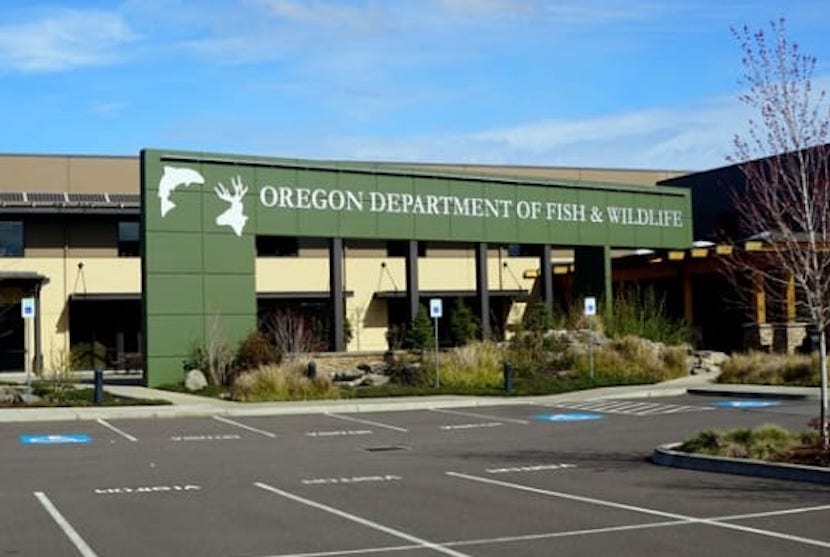
Oregon – The Oregon Department of Fish and Wildlife has begun deploying large nets in Wallowa Lake as part of ongoing efforts to monitor the fish population and assess the potential impact of lake trout on other species. The nets, which will remain in place for approximately four weeks, are strictly for research purposes and do not represent a fish removal operation.
Anglers fishing in Wallowa Lake are urged to avoid areas marked by buoys where the nets are located to ensure the safety of both the nets and the fishing community.
ODFW, in collaboration with the Nez Perce Tribe, is particularly focused on monitoring the population of lake trout. These large, predatory fish are native to the Great Lakes region but were introduced to Wallowa Lake in the 1960s. While lake trout have persisted in the lake, there are concerns that their presence may negatively affect other fish species, especially kokanee salmon, which are a critical part of the local ecosystem.
To date, ODFW has found no direct evidence of lake trout harming other fish populations in Wallowa Lake. However, the potential threat posed by lake trout, particularly in light of the planned reintroduction of sockeye salmon, has prompted the need for a more detailed understanding of their population dynamics. Gaining this insight will be crucial for managing the lake’s ecosystem and ensuring the survival of native species.
“We’re working on trying to understand trends in fish populations in Wallowa Lake, and these nets will allow for long-term sampling efforts without injuring sensitive species like bull trout,” said Kyle Bratcher, ODFW District Fish Biologist.
Two types of nets will be used in the research: Merwin traps and gillnets. Merwin traps are large, passive nets designed to trap fish as they swim along the shore. These traps will remain in place for three to four weeks and are marked with buoys or floating walkways to alert anglers and boaters. The fish are unharmed during the process and will be released after being surveyed.
While gillnets are more commonly used to capture fish, they can be harmful to the fish caught. ODFW will set gillnets strategically during evenings and for short durations (four to six hours) to minimize harm to non-target fish. Anglers are less likely to encounter these nets as they will only be in place for short periods.
ODFW’s research aims to provide a clearer picture of the interactions between species within Wallowa Lake. By using both the Merwin traps and gillnets, biologists can gather important data to help manage fish populations in the lake, ensuring the protection of sensitive species while promoting sustainable recreational fisheries.
For now, anglers and boaters are asked to respect the netted areas and continue enjoying the lake responsibly.

Oregon Sen. Wyden warns over Trump administration plan for migrant children, says HHS lawyers could represent kids facing deportation while working for the same government seeking to remove them
Oregon – Oregon Sen. Wyden urges Trump administration to reverse plan for HHS attorneys to represent unaccompanied migrant children, warning...


Gov. Kotek warns Oregonians their ballots could be delayed this November as she urges them to make sure their signatures are correct before mailing them
Oregon – Oregon Gov. Tina Kotek is urging voters to make sure their mail-in ballots are signed clearly before returning...


Large rural home destroyed in overnight fire near Eugene as firefighters battle flames for four hours
Eugene, OR – A large, two-story home was fully engulfed in flames when firefighters arrived at a rural property in...

Eugene police investigate theft of elderly woman’s dog after group returns to take border collie while she was sleeping
Eugene, OR – The Eugene Police Department is investigating the theft of a companion animal after a 73-year-old woman reported...


Eugene man arrested on kidnapping warrant after refusing to stop for police and driving toward Walmart entrance during pursuit
Eugene, OR – The Eugene Police Department arrested a man wanted on a felony kidnapping warrant after he allegedly refused...


Eugene police cite driver and pedestrian after crash on West 11th Avenue leaves man hospitalized with non-life-threatening injuries
Eugene, OR – The Eugene Police Department cited both a driver and a pedestrian following a vehicle-versus-pedestrian crash early Tuesday...


“No company should be able to target you using your personal data,” Oregon Sen. Wyden urges Congress to pass his bill banning surveillance ads and targeted advertising by chatbots
Oregon – “No company should be able to target you using your personal data, including the sensitive data people share...


Oregon Sen. Merkley warns “we can’t sleepwalk into a decision this consequential” as Senate gets chance to act “before it’s too late” over Trump’s Saudi nuclear deal that could trigger arms race
Oregon – “I refuse to let the U.S. sleepwalk into a dangerous nuclear deal with Saudi Arabia. The law gives...


Eugene considers new micro village housing rules to expand affordable housing options as City Council schedules public hearing
Eugene, OR – The City of Eugene is considering a new type of housing development that would allow small residential...


Eugene Springfield Fire thanks local businesses for helping families learn about battery safety and proper disposal
Eugene, OR – Eugene Springfield Fire is thanking Jerry’s Home Improvement and Waste Wise Lane County for helping share battery...

44-year-old man arrested after allegedly striking contractor in the head with skateboard and attacking another with wooden stick
Eugene, OR – A 44-year-old man was arrested after a contractor was struck in the head with a skateboard and...
-
Eugene4 days ago
Oregon Sen. Merkley warns “we can’t sleepwalk into a decision this consequential” as Senate gets chance to act “before it’s too late” over Trump’s Saudi nuclear deal that could trigger arms race
-
Oregon4 days ago
“No company should be able to target you using your personal data,” Oregon Sen. Wyden urges Congress to pass his bill banning surveillance ads and targeted advertising by chatbots
-
Eugene4 days ago
44-year-old man arrested after allegedly striking contractor in the head with skateboard and attacking another with wooden stick
-
Eugene4 days ago
Eugene considers new micro village housing rules to expand affordable housing options as City Council schedules public hearing
-
Eugene1 day ago
Gov. Kotek warns Oregonians their ballots could be delayed this November as she urges them to make sure their signatures are correct before mailing them
-
Eugene4 days ago
Eugene man arrested for DUII after police find gun with scratched-off serial number in BMW parked in middle of road
-
Eugene4 days ago
Eugene Springfield Fire thanks local businesses for helping families learn about battery safety and proper disposal
-
Eugene1 day ago
Oregon Sen. Wyden warns over Trump administration plan for migrant children, says HHS lawyers could represent kids facing deportation while working for the same government seeking to remove them